Conserving Cash Without Sacrificing Your Automation Speed

The State of Browse Engine Automation in 2026
Seo has moved into a phase where speed and accuracy figure out the success of any digital project. By 2026, the conventional methods of manually producing backlinks have become too sluggish for companies intending to complete in crowded sectors. While some anticipated the death of automated tools, software application like GSA Online search engine Ranker (SER) has actually adapted to the changing environment. The main obstacle for any automated tool stays the quality of the information it sends to various platforms across the web. Without top quality text, these submissions are often flagged as spam or neglected by modern-day ranking algorithms.
The service lies in the integration of expert system for material production. In 2026, Large Language Models (LLMs) have actually become inexpensive enough and quick enough to be used wholesale link-building operations. Instead of using old-fashioned "spinning" strategies that produce garbled, unreadable text, SEO professionals are now plugging direct API connections into their link-building software application. This permits the generation of unique, contextually appropriate articles for each single submission, considerably increasing the success rate of validated links.

Effectiveness in this sector is no longer practically how numerous links can be constructed per hour. It has to do with how many of those links remain active and contribute to the authority of a domain. Utilizing AI guarantees that the text surrounding a link supplies value to the page, making it far more likely to be indexed. Information from the first half of 2026 recommends that AI-driven automatic projects show a much greater retention rate compared to those using static or poorly spun content.
Improving Efficiency with High-Speed Material Pipelines
Running GSA SER at high thread counts requires an enormous volume of text. In the past, this was a bottleneck that required users to pick between quality and quantity. With the arrival of regional AI hosting and specialized SEO-focused APIs, that trade-off has vanished. Professionals can now produce thousands of special posts that follow specific themes relevant to search engine optimization. This thematic consistency is what search engines search for when figuring out the significance of a backlink in 2026.
Recent shifts in digital method have actually increased the worth of Asia Virtual Solutions Strategy for businesses wanting to scale their online existence without hiring enormous teams. By automating the content pipeline, a single operator can handle dozens of projects simultaneously. This setup focuses on the technical aspects of SEO while the AI handles the innovative problem. The result is a stable stream of contextual links that look natural to both users and crawl bots.
One method to execute this is through using custom scripts that sit between GSA SER and the AI supplier. These scripts take the target keywords and a list of instructions, then return a completely formatted article. This gets rid of the "footprint" that frequently plagues automated SEO. When every article is special and follows a different logical structure, it becomes almost impossible for search engines to identify the links as part of a mass-automation project.
Balancing Expense and Quality in Automated Campaigns
ROI in search engine marketing is determined by comparing the expense of acquisition against the life time worth of the traffic. Automated link building has constantly been a low-cost method, but its ROI was often hindered by low indexing rates. In 2026, the expense of AI tokens has dropped considerably, making it possible to spend a portion of a cent on each post. This small investment pays off by guaranteeing that a much higher percentage of links really move the needle for rankings.
Carrying out Asia Virtual Solutions User Engagement Management Service permits agencies to scale material without compromising readability or importance. When a service targets a specific local market, the AI can be advised to consist of regional recommendations, close-by landmarks, or local terms. This level of detail was formerly difficult to attain at scale. Now, a project targeting the surrounding region can feel as if it was written by a local professional, even when running on a server countless miles away.
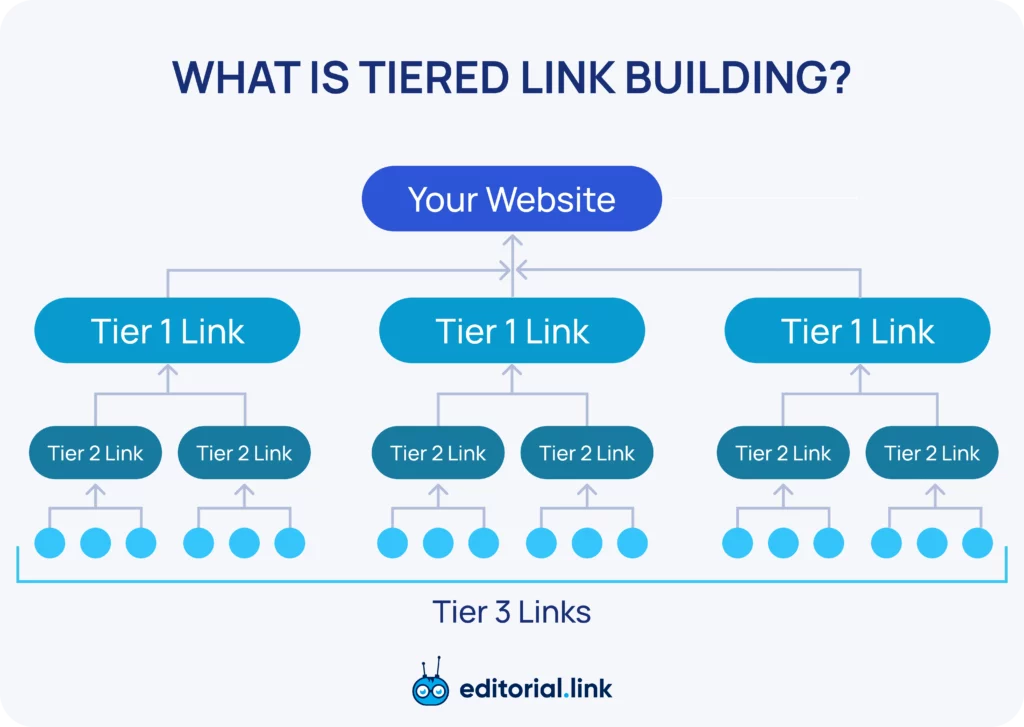
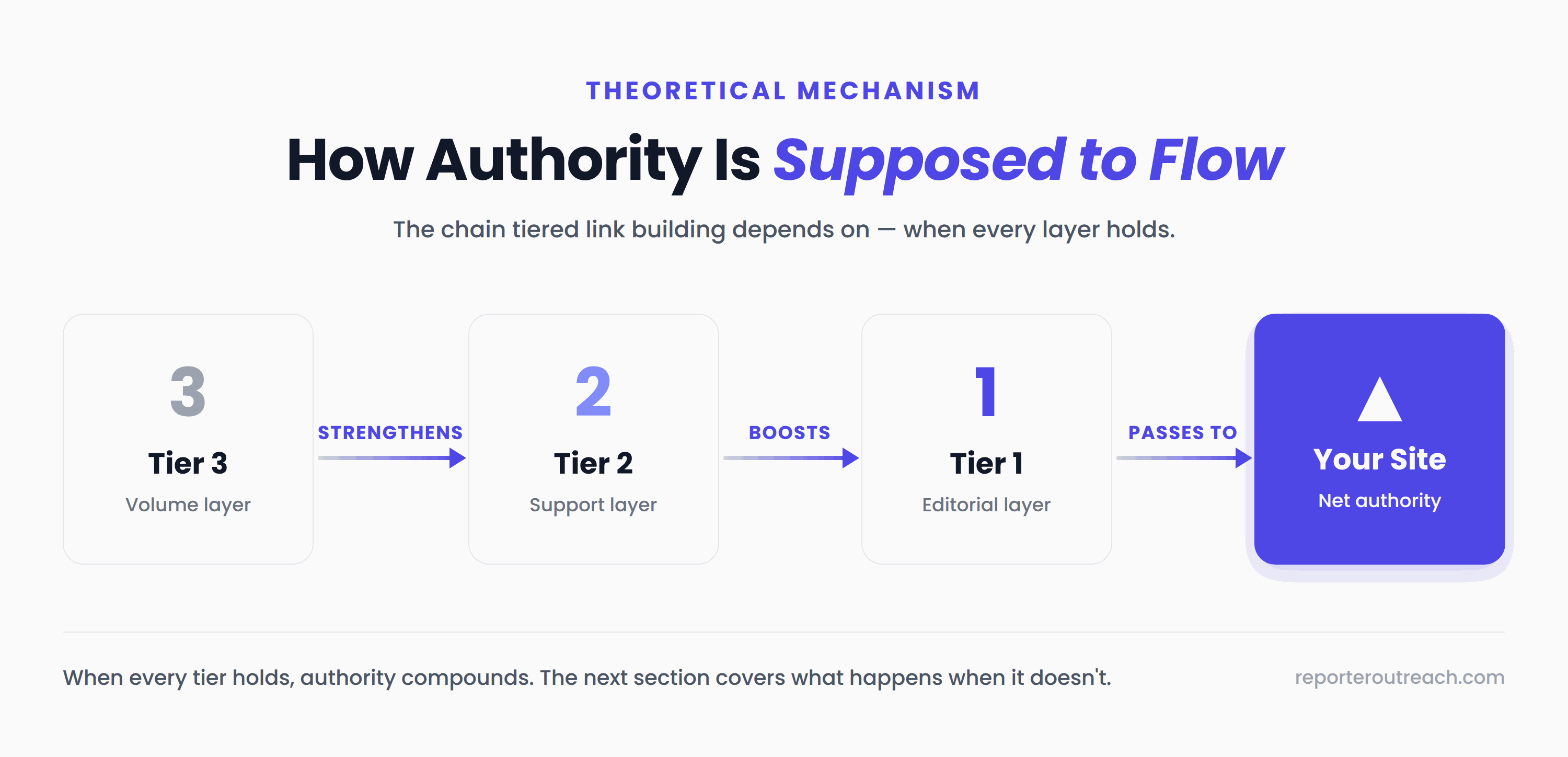
The technical setup of these tools involves setting particular "temperature" levels in the AI settings. A lower temperature level results in more factual, straightforward text, while a greater temperature develops more diverse and innovative language. For tier-one links, a lower temperature level is often preferred to make sure precision. For tier-two and tier-three links, higher irregularity assists to avoid the repetitive patterns that modern spam filters are created to capture.
The Technical Synergy of GSA SER and Modern LLMs
GSA SER remains a powerful tool since of its flexibility. It enables users to specify customized information fields and utilize macros to insert vibrant material. By using a macro that calls an external AI material generator, the software application can pull a fresh piece of text for each submission attempt. This implies that if the software application is attempting to publish on a blog site, a forum, or a wiki, the AI can tailor the tone of the material to match the platform.
A forum post requires to be brief and conversational, while a wiki entry requires to be official and structured. Modern AI designs comprehend these nuances completely. By passing the platform type as a variable to the AI generator, GSA SER can populate fields with content that fits the environment. This minimizes the variety of manual deletions by site mediators, who are often the first line of defense versus automated link building. In 2026, the objective is to satisfy both the algorithm and the human mediator.
Proxies and captchas are still part of the equation, however they are no longer the most essential factors. Content is now the main motorist of success. If the content suffices, many platforms will permit the post to stand even if the IP address is flagged. This is because premium material adds worth to their site, and in the cash-strapped web of 2026, lots of site owners want to trade a backlink for a well-written article that generates its own organic traffic.
Avoiding Algorithmic Charges through Variety
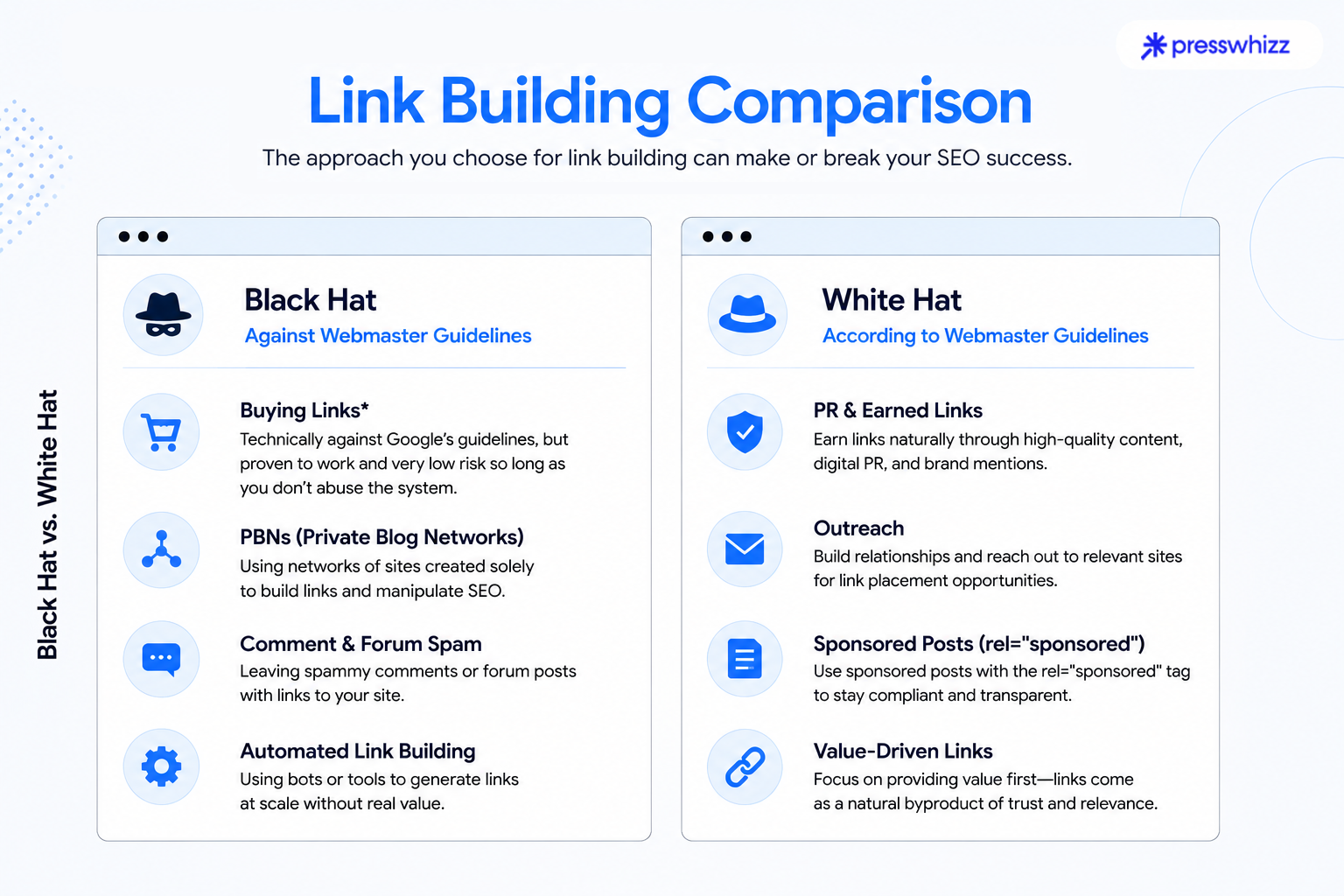
Search engines have actually ended up being extremely adept at finding patterns. If 1,000 links appear over night with the precise very same anchor text and surrounding sentences, a charge is inevitable. AI solves this by introducing infinite variety. Beyond just changing words, AI can alter the entire point of view of a post. One post might be a "how-to" guide, while another is a "top 10" list, and a third is a vital evaluation. All of these can point back to the very same professional offering.
This diversity extends to the metadata too. GSA SER can use AI to create distinct author names, bios, and even profile descriptions. This produces a "personality" for each submission, making the automated account appear like a legitimate user. When these personalities stay active and engage with other content, the authority of the links they develop increases. This is a far cry from the "blast and burn" strategies used a decade back. Modern automation has to do with developing an existence that looks and acts like a network of genuine individuals.
Making use of urban centers as a centerpiece for these projects likewise helps in constructing regional significance. If a project is concentrated on a particular territory, the AI can weave in points out of regional occasions or news, more cementing the link's location within a specific geographical context. This geographical tagging is a major ranking consider 2026, as search engines focus on regional outcomes for the majority of service-based inquiries.
Future-Proofing Your Ranking Technique
As we move through 2026, the line between human-written and AI-generated content will continue to blur. The most effective SEO techniques will be those that embrace this obscurity. By incorporating AI generators with GSA SER, businesses can attain a level of output that was once booked for huge corporations with endless budget plans. The barrier to entry has actually been lowered, however the ceiling for success has been raised.
Keeping an eye on the efficiency of these campaigns is much easier than ever. The majority of AI-integration layers supply detailed logs of what was produced, permitting for fast adjustments if a specific design of material is not performing well. If search engines update their algorithms to try to find specific AI signatures, the prompts can be upgraded in minutes to change the output style. This dexterity is the core of SEO survival in the existing year. The ability to pivot rapidly is better than any single backlink.
Eventually, the marital relationship of automated submission and smart material creation has to do with making the most of the return on every dollar invested. By decreasing the time invested on manual writing and increasing the success rate of every automated submission, organizations can focus their energy on high-level method and conversion optimization. The technology of 2026 has actually made it possible to develop a search presence that is both enormous in scale and high in quality, providing an one-upmanship to those who understand how to use these tools successfully.
In a world where search results page are increasingly dominated by big entities, these automated tools offer a way for smaller gamers to remain noticeable. Whether targeting a single local area or an international market, the combination of GSA SER and AI provides the horsepower required to climb the rankings. The focus stays on consistent growth and preserving the stability of the web while achieving the particular objectives of the project. Success in 2026 is scheduled for those who see automation not as a shortcut, but as a way to do better work at a larger scale.