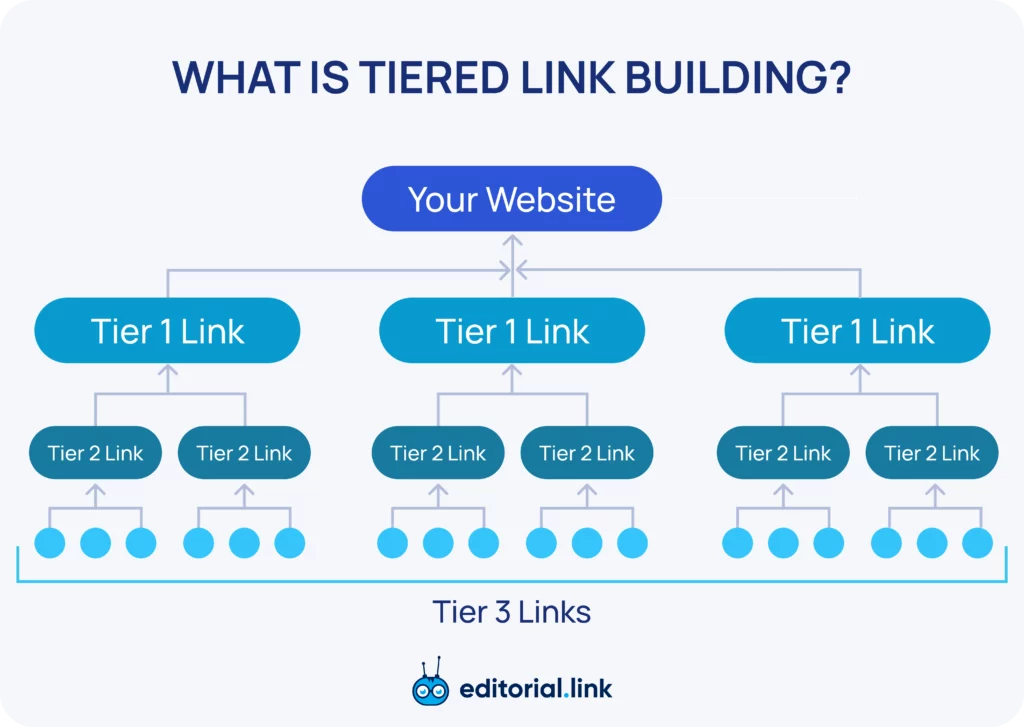
How Tiered SEO Software Drive Rankings in 2026

Automatic indexing refers to the electronic process of scanning files against a controlled vocabulary, taxonomy, thesaurus, or ontology. Natural language processing strategies boost the precision of automated indexing.
Indexing methods have actually developed significantly over time. Early indexing relied on manual procedures.

The arrival of computer systems changed indexing. Lunh proposed that computer systems might handle keyword matching, arranging, and content analysis. Mooers forecasted the function of computing in text processing and details retrieval. These forecasts laid the structure for automatic indexing. The shift from handbook to automated indexing marked a considerable milestone. Automated systems began to scan big volumes of documents rapidly.
Automatic indexing became essential for handling the increasing quantity of new product. The advancement of computational linguistics and synthetic intelligence further propelled research in this location. Today, automatic indexing offers prompt access to metadata and scales to deal with large quantities of info. Automatic indexing depends on advanced algorithms. These algorithms scan documents and match words versus a controlled vocabulary.
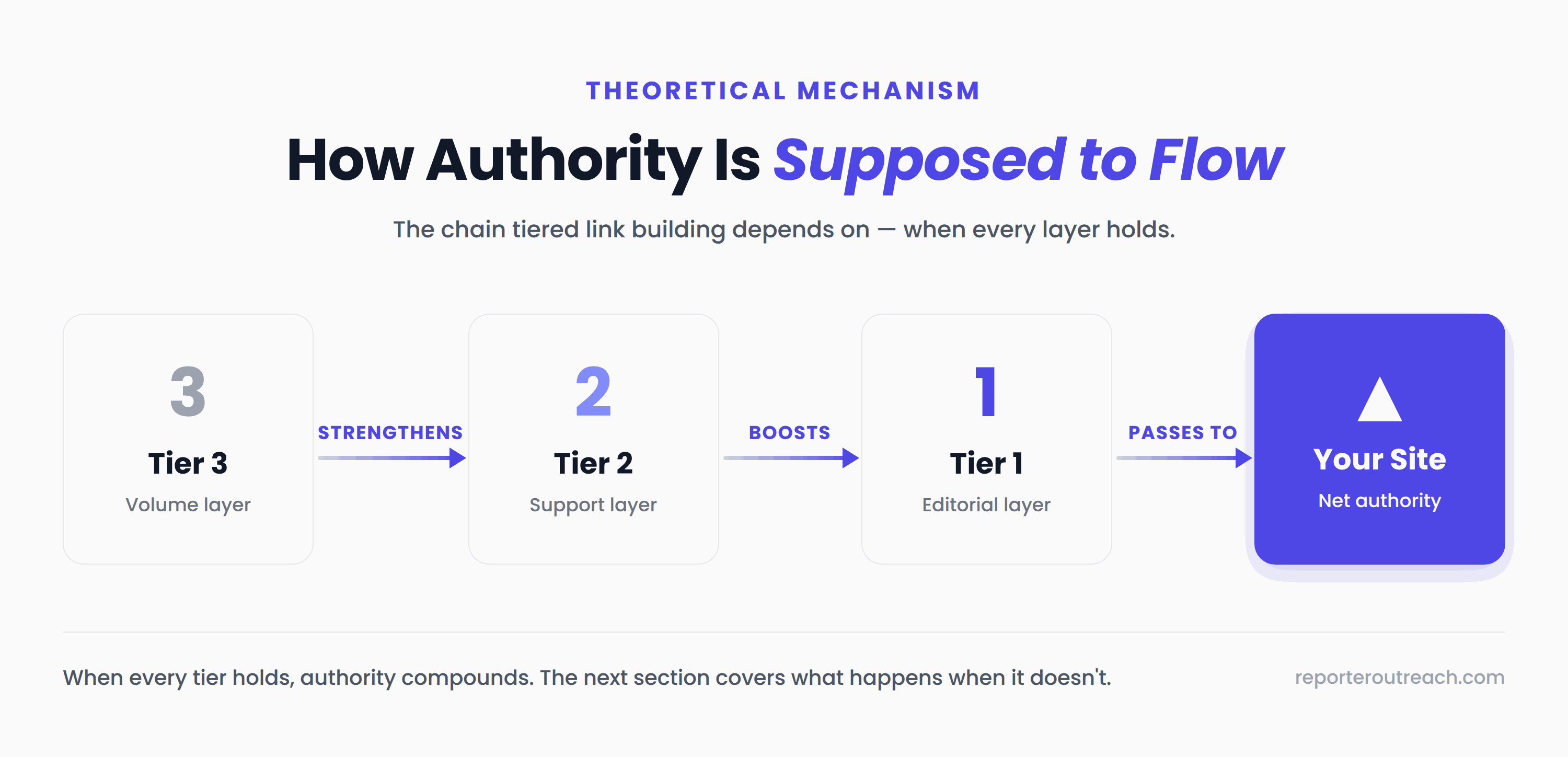
How Pyramid SEO Systems Drive Rankings in 2026
These methods improve the accuracy and recall of automated indexing. Device learning and AI play essential roles in automated indexing.
These techniques include morphological, lexical, syntactic, numerical, phraseological, semantic, and pragmatic techniques. AI improves the system's ability to understand context and nuances in language. This leads to more accurate and appropriate indexing. The initial step in automated indexing involves data collection. Systems collect large volumes of documents from numerous sources.
This makes sure that the information is all set for indexing. After preprocessing, the system starts indexing and classification. Algorithms scan the cleaned information and designate index terms.
Comparing Tiered Backlink Building Services in 2026
The system obtains files based on the appointed index terms. This ensures that users can rapidly access the data they need. The system continuously updates the index to reflect new details.
Automatic indexing processes files at an impressive speed. Algorithms scan and index big volumes of information within minutes. This quick processing contrasts greatly with manual indexing. Human indexers take significantly longer to check out and categorize files. The speed of automatic indexing ensures prompt access to details. This effectiveness becomes vital as the volume of digital material grows greatly.
Human indexers, however, might introduce disparities due to fatigue or subjective judgment. Automatic systems keep uniformity across all indexed documents. Automatic indexing may still face difficulties in understanding intricate language nuances.
Using High DA Backlink Lists for Rankings
Organizations should employ and train competent indexers. This process incurs ongoing labor costs. Automatic indexing, on the other hand, involves an initial technological investment. Business invest in software and hardware to set up automated systems. As soon as operational, these systems require minimal human intervention. This shift from personnels to technology can lead to considerable expense savings with time.
Manual indexing, however, scales improperly with increasing file volumes. Automatic indexing offers a scalable solution that adapts to growing data requirements.
Automatic indexing uses unrivaled scalability. Systems can deal with vast amounts of information without human intervention. Manual indexing can not match this level of scalability.
build do-follow links with GSA SERManual indexing can not provide such timely updates. Real-time indexing ensures that information stays appropriate and precise. Automatic indexing boosts search accuracy and recall.