Proven Pyramid Backlink Building Patterns in 2026

Automatic indexing describes the computerized process of scanning documents against a controlled vocabulary, taxonomy, thesaurus, or ontology. This method indexes electronic file repositories effectively. The system utilizes algorithms to match words based on syntax, usage, and distance. Natural language processing techniques improve the accuracy of automated indexing. These methods consist of morphological, lexical, syntactic, numerical, phraseological, semantic, and pragmatic approaches.
: A hierarchical classification of terms.: A tool that offers synonyms and related terms.: A structured structure of understanding that defines relationships between terms.: Step-by-step procedures for calculations and information processing. Indexing methods have actually progressed substantially in time. Early indexing counted on manual processes. Human indexers read files and appointed relevant terms.

The arrival of computers reinvented indexing. Lunh proposed that computer systems might manage keyword matching, sorting, and material analysis. Mooers anticipated the function of computing in text processing and details retrieval. These forecasts laid the foundation for automated indexing. The transition from handbook to automatic indexing marked a substantial milestone. Automated systems began to scan large volumes of documents rapidly.
Automatic indexing ended up being important for handling the increasing quantity of new material. Today, automated indexing offers timely access to metadata and scales to manage huge quantities of details.
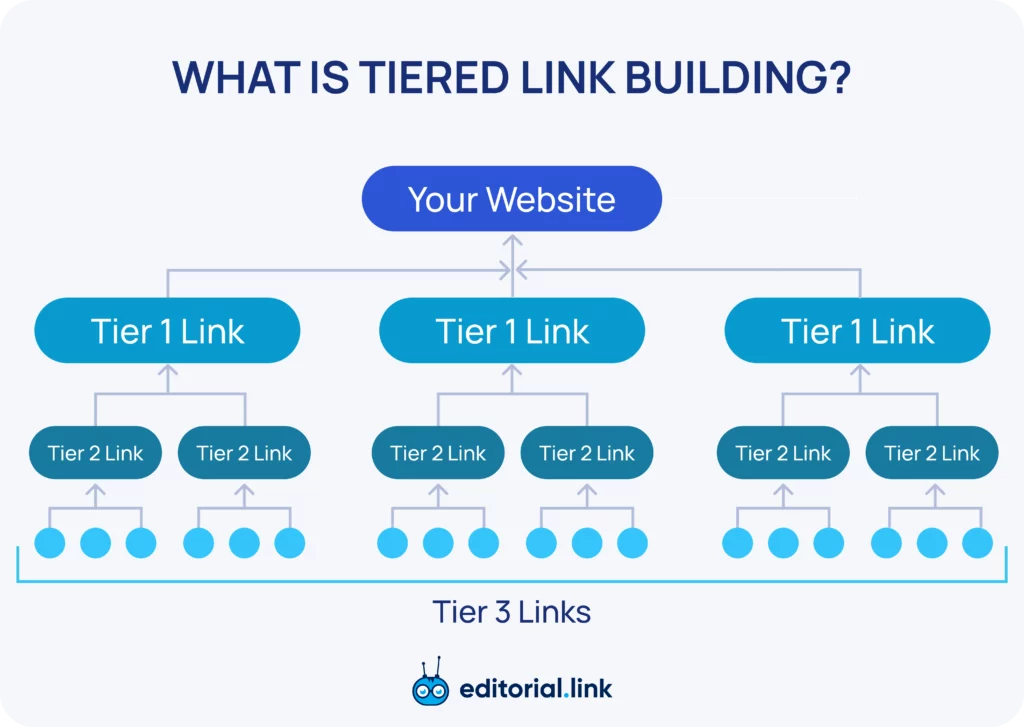
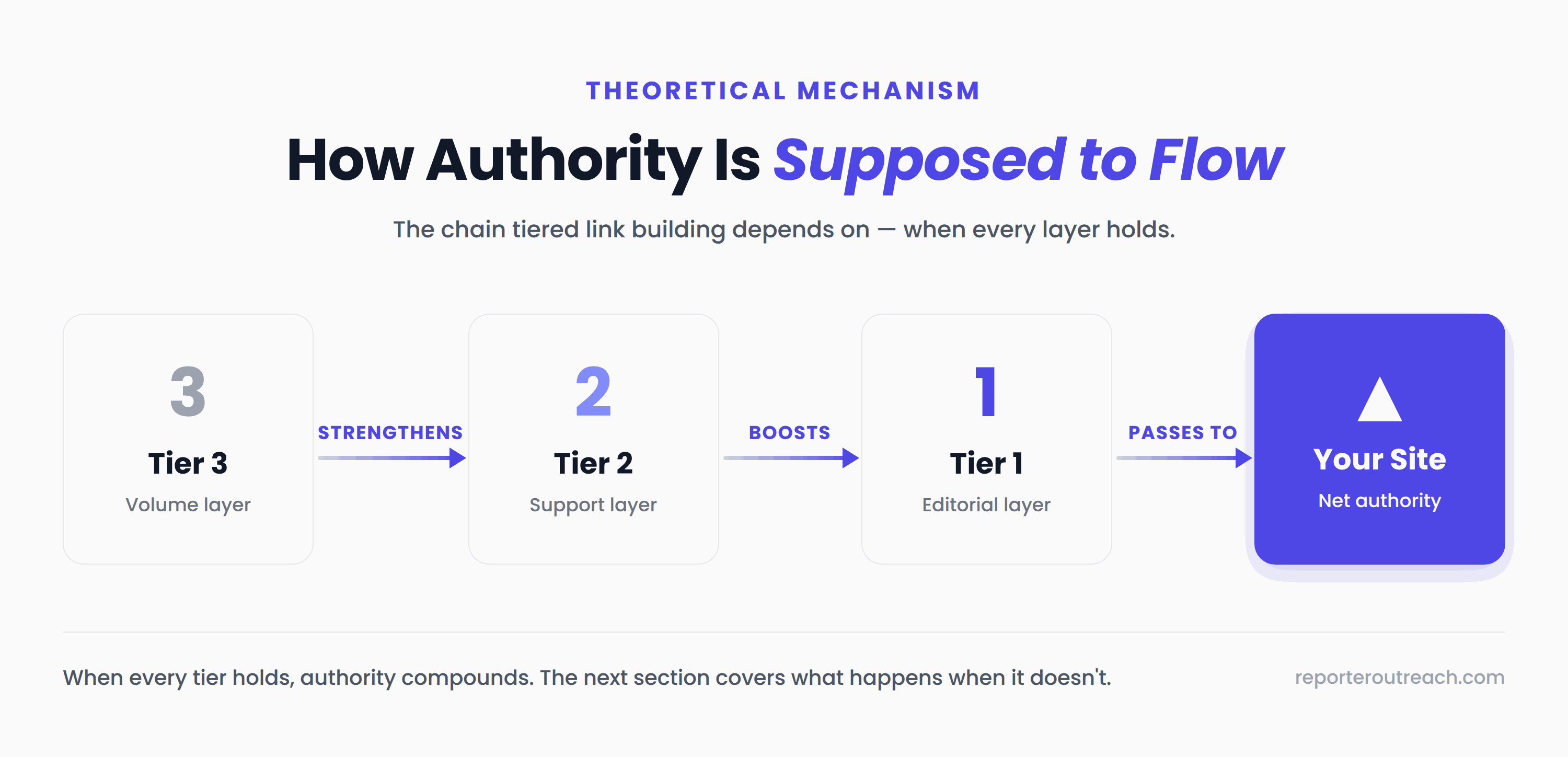
Proven Tiered Backlink Building Patterns in 2026
Algorithms like TF-IDF (Term Frequency-Inverse File Frequency) determine the importance of terms within a file. Latent Semantic Analysis (LSA) recognizes patterns in relationships in between terms. These methods improve the precision and recall of automatic indexing. Artificial intelligence and AI play essential roles in automatic indexing. Machine knowing designs find out from huge datasets to improve indexing accuracy.
These strategies include morphological, lexical, syntactic, mathematical, phraseological, semantic, and pragmatic techniques. AI boosts the system's ability to comprehend context and subtleties in language. This leads to more accurate and relevant indexing. The initial step in automatic indexing includes information collection. Systems collect big volumes of files from various sources.
This makes sure that the data is prepared for indexing. After preprocessing, the system begins indexing and categorization. Algorithms scan the cleaned information and designate index terms.
Proven Tiered Link Building Patterns in 2026
The system retrieves documents based on the appointed index terms. This makes sure that users can quickly access the data they need. The system continuously updates the index to reflect new details.
Automatic indexing processes documents at a remarkable speed. Algorithms scan and index large volumes of information within minutes. This fast processing contrasts dramatically with manual indexing. Human indexers take considerably longer to read and classify files. The speed of automatic indexing guarantees prompt access to details. This performance ends up being important as the volume of digital content grows exponentially.
Human indexers, however, may introduce inconsistencies due to tiredness or subjective judgment. Automatic systems maintain uniformity throughout all indexed documents. Automated indexing might still face challenges in understanding complex language nuances.
Finding High DA Backlink Resources for Rankings
Organizations needs to hire and train knowledgeable indexers. This process sustains continuous labor costs. Automatic indexing, on the other hand, includes a preliminary technological investment. Companies invest in software application and hardware to set up automated systems. As soon as operational, these systems require minimal human intervention. This shift from human resources to innovation can result in considerable expense savings in time.

Manual indexing, however, scales inadequately with increasing document volumes. Automatic indexing offers a scalable option that adjusts to growing data needs.
Automatic indexing offers unrivaled scalability. Systems can deal with large amounts of information without human intervention. Manual indexing can not match this level of scalability.
Why Instant Indexer Services Boost RankingsManual indexing can not provide such timely updates. Real-time indexing makes sure that details remains relevant and precise. Automatic indexing improves search precision and recall.