Why 2026 Require Better CAPTCHA Management

Development of Web Quality Standards in 2026
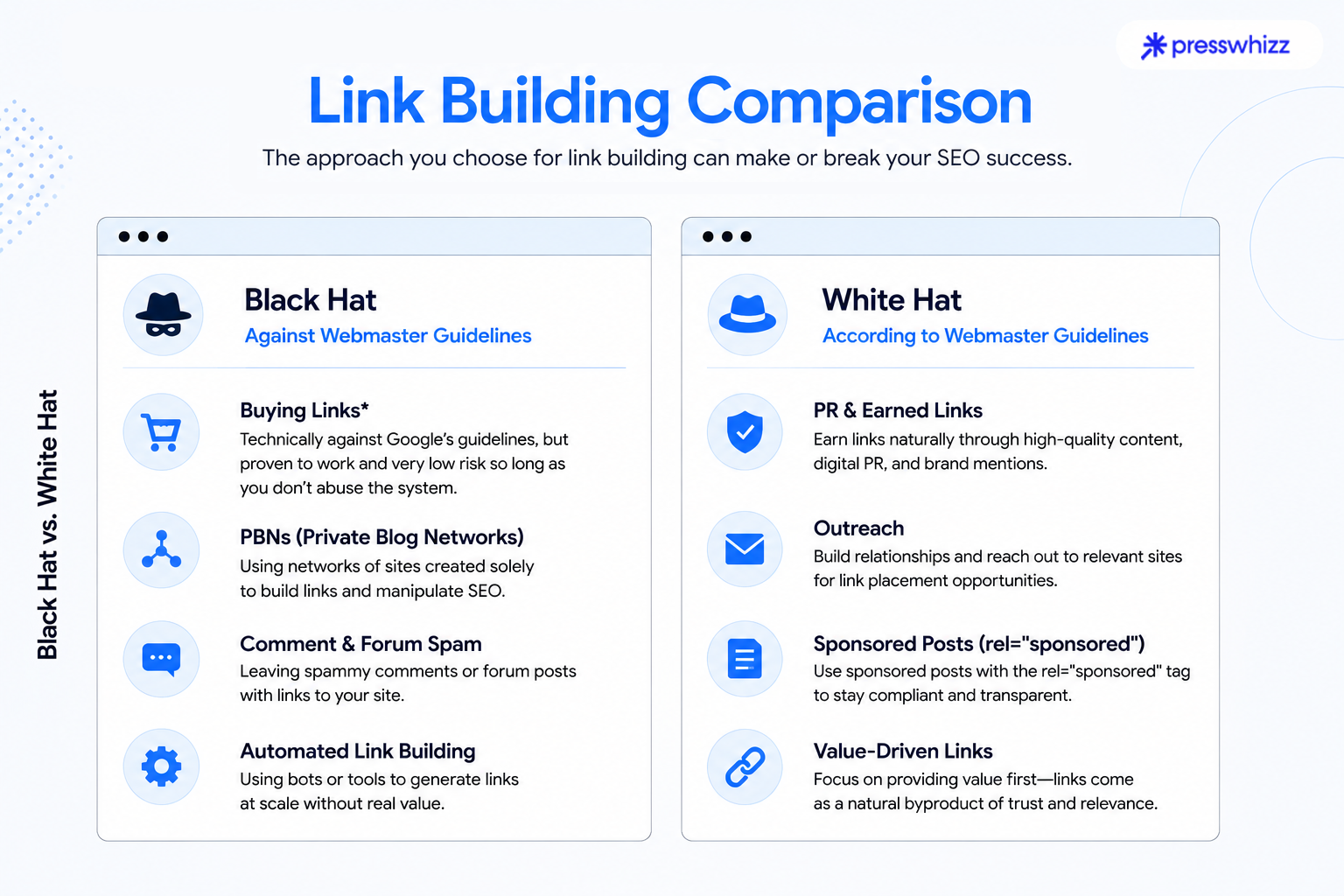
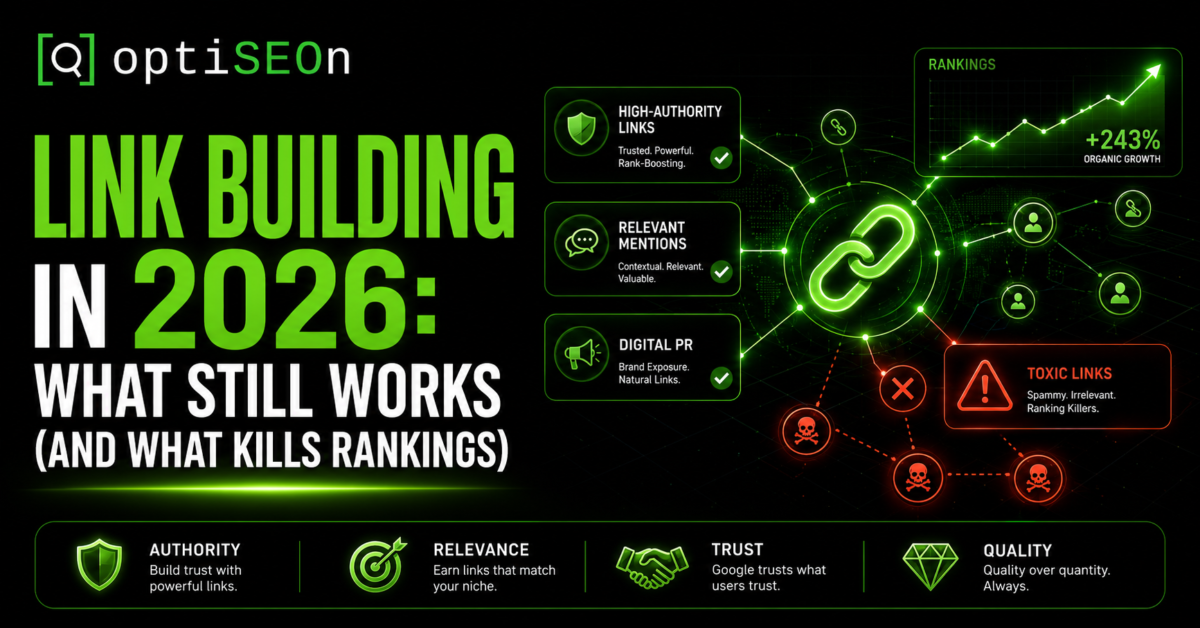
The digital environment has shifted substantially given that the early twenties. By 2026, search algorithms have actually reached a level of sophistication where they no longer simply take a look at the specific page or the immediate link source. Instead, they assess the entire area surrounding a website. This concept, called link proximity, determines the quality of the sites that connect to your sources, and the websites those sources connect to in turn. High-efficiency operations now prioritize straining hazardous areas to secure their search presence and make sure every dollar invested in digital growth yields the highest possible return.Toxic areas are clusters of websites that exist exclusively for the purpose of controling search rankings. These clusters typically include thin, AI-generated material that does not have human oversight, high outbound link counts, and a complete absence of natural traffic. While these websites may have looked satisfactory in previous years, the 2026 variations of significant online search engine utilize sophisticated pattern recognition to identify these patterns quickly. Entering such a neighborhood is a fast lane to a manual penalty or, more frequently, a silent suppression where a site just stops appearing for competitive terms.
Determining Threat Consider Online Marketing

Among the most apparent indications of a harmful area is an absence of topical focus. In 2026, a website that talks about high-performance tires, cryptocurrency, and offshore banking on the very same domain is a red flag. These "generalist" sites are frequently part of bigger, automated networks created to sell links to any buyer. For those focused on Asia Virtual Solutions Reuse, the objective is to discover sites that exist within a tight semantic cluster. If the surrounding sites are unimportant, the link provides zero worth and presents unnecessary risk.Another element is the Outbound Link Ratio (OLR) Top quality websites naturally link to other authoritative sources to offer context for their readers. Websites in hazardous neighborhoods often have an OLR that is manipulated heavily towards paid positionings. If a domain has 5 hundred pages and four hundred and ninety of them include a link to a various commercial website, it is most likely part of a link farm. Automated filtering tools now scan the whole link graph of a potential source to determine if it is a "dead end" in the web or a part of a legitimate, helpful neighborhood.
The Financial Effect of Automated Efficiency
In the present market, manual link auditing is an antique of the past. The sheer volume of information required to veterinarian a site makes human evaluation too slow and pricey for modern-day marketing strategies. Automated filtering permits the processing of countless potential positionings in minutes, discarding any that reveal indications of toxicity. This speed is what drives ROI. Rather of paying an expert to spend hours taking a look at a single website, companies utilize software to find the top one percent of chances that satisfy rigorous safety criteria.The expense of a "bad" link in 2026 is higher than ever. It is not simply the cost spent for the positioning, however the chance cost of the lost rankings. When a website is flagged for remaining in a hazardous area, the recovery procedure can take months of disavowing and content purging. By using innovative filters at the start of a project in the local market, organizations avoid these pitfalls totally. This proactive approach makes sure that the budget plan is invested just on premium associations that help, rather than hinder, online search engine performance.
Technical Indicators of Link Toxicity

Modern filtering systems take a look at several technical signs that were once disregarded. IP variety is a significant one. If twenty websites all link to each other and live on the same server block, they become part of a personal network. In 2026, search engines are proficient at tracking these footprints, even when masked by CDNs. The velocity of content development is a telltale indication. A website that suddenly publishes three thousand short articles in a week after years of silence is practically certainly utilizing automated tools to develop a "fresh" look for link selling. Asia Virtual Solutions Account Reuse Strategy Guide has evolved to include the monitoring of "co-citation" patterns. This implies looking at who else is being mentioned on the very same page or within the exact same site. If a trustworthy brand is mentioned along with known spam websites or low-quality services, the association can bleed over. High-performance filtering recognizes these co-citations and flags the source as potentially harmful. This level of granular detail is essential to preserve a clean profile in a period where algorithms are increasingly suspicious of artificial growth.
Maximizing ROI Through Strategic Filtering in the Region
Performance in 2026 is about more than just preventing charges. It has to do with making the most of the "link equity" that in fact reaches the target website. A link from a clean, high-authority neighborhood provides more power than a lots links from doubtful sources. By concentrating on quality over amount, services in the local area can accomplish better rankings with less resources. This lean approach to SEO is the only way to remain competitive as the cost of digital visibility continues to rise.Filtering also consists of the analysis of "link flow." This includes taking a look at where the authority of a site comes from. If a site has thousands of links but all of them originate from "no-name" blog sites with no traffic, that site has no real power to hand down. The 2026 standard for a great neighborhood is one where the link sources themselves have strong, natural connections to the broader web. Discovering these centers requires sophisticated information analysis, but the lead to search rankings validate the effort.
The Function of AI in Filtering and Selection
While AI is frequently the cause of the spam problem, it is also the service. Modern filtering tools utilize maker learning to forecast which neighborhoods are likely to become harmful before they are even flagged by online search engine. These tools evaluate the "behavioral patterns" of sites-- how they connect, how they update, and how they engage with social media. If a website shows habits common of a link farm, it is omitted from the list of feasible targets.This predictive filtering is a major benefit for professional teams who require to remain ahead of algorithm updates. Instead of reacting to a change in search standards, they are already utilizing a list of sources that fulfill a greater requirement of quality than the current algorithms need. This "future-proofing" is a core element of optimizing ROI. It ensures that the links developed today will still be important in 2027 and beyond, instead of ending up being liabilities.
Safeguarding Long-Term Search Visibility
The objective of any digital campaign should be stability. In 2026, stability originates from a tidy backlink profile that stands up to analysis. Avoiding harmful areas is not just a technical job. It is a tactical requirement. When a site is surrounded by top quality, appropriate neighbors, it signifies to online search engine that the site is a relied on authority in its field. This trust is the structure of all successful rankings.As the web continues to expand, the noise of low-quality content will only grow. The ability to filter out this sound and focus on the signals that matter is what separates effective brands from those that struggle to preserve their position. Whether operating in the immediate area or on a worldwide scale, the concepts of advanced filtering stay the same. Top quality connections, topical significance, and automated performance are the secrets to sustained growth.
The Future of Link Neighborhood Analysis
Looking toward completion of the decade, the idea of a "link" may continue to progress into more comprehensive "mentions" and "associations." The underlying principle of neighborhood quality will likely stay. Search engines wish to point their users toward sites that are part of a legitimate community of info. By utilizing innovative filtering to prevent toxic pockets of the web, companies can guarantee they are seen as an important part of that community.The ROI of this approach is clear. Higher rankings lead to more traffic, which causes more conversions. By removing the waste and risk connected with poor-quality link areas, companies can improve their marketing efforts and attain their objectives better. The focus should always be on the long-term health of the domain, which is only possible through the extensive application of contemporary filtering standards and a dedication to quality over faster ways.